How to Wear White Without Mishaps
White is the hardest colour to wear and nobody says so, because it forgives nothing: not the sheerness, not the cut, not what is underneath, not the stain. Done well, it is the cheapest way to look put together. Done badly, it shows from thirty feet.
Sheerness: three checks before buying
This is the first problem, and it never shows in a shop under front lighting.
- The hand test. Slide your hand flat behind the fabric. If you can make out fingers, the garment will be see-through in sunlight.
- The backlight test. Hold the piece up to a window. Decent fabric lets light through without letting shape through.
- Weight. Below 120 gsm, white cotton is translucent whatever the label says. A lining or a double layer at the bodice solves it at source.
The opposite trap is just as common: what goes underneath. A white bra under a white top shows far more than a skin-toned one. White on white creates a texture contrast the eye catches instantly. The rule is counter-intuitive and completely consistent: under white, wear your skin colour.
Head-to-toe white, and why it sometimes fails
All-white works on one condition: every white has to be the same white. An optical white next to an off-white reads as a faded garment, not a decision.
If you do not have the exact same shade, own the gap instead of suffering it: ecru on top, true white below, with enough difference to read as deliberate. Or introduce a third value, a light beige or camel, which makes the shift make sense.
All-white needs texture or it looks flat. Exactly the same mechanism as a monochrome outfit: one colour, several materials.
White is not a summer-only colour
The idea that white stops after September is an old American social code, not an aesthetic rule. White trousers with a heavy camel knit and a brown boot is one of the easiest winter combinations there is.
What changes in winter is the fabric, not the colour. Linen and light poplin look out of season; knitwear, wool, white denim and flannel carry over without effort. The fabric guide covers what each material says.
What actually stains it
White does not only get marked at the table. The three most frequent sources, in order:
- Foundation on the collar. A yellow-orange mark that sets in. The habit that avoids it: step into the garment rather than pulling it over your head when you can.
- Deodorant at the underarm. Aluminium salts yellow cotton over time. Letting it dry for thirty seconds before dressing makes a real difference.
- Raw denim transfer. A pale bag resting on new jeans picks up a blue cast that never fully washes out.
Care, without bleach
Chlorine bleach is the main reason white goes yellow. It attacks the fibre and sets protein residue, which is exactly what you were trying to remove. Three methods that work better:
- Sodium percarbonate, a spoonful in the drum at 40 °C. It is the whitening agent inside "oxygen" detergents, sold on its own for far less.
- A lemon juice soak for collars, one hour, then a normal wash.
- Drying in the sun. Ultraviolet genuinely whitens cotton. It is free and it is the most effective method on this list.
And above all: wash white with white, never with pale. Light grey transfers.
Putting it together
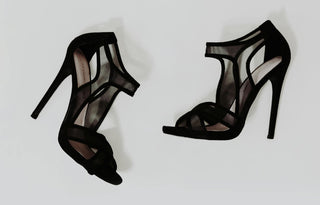
White asks for contrast at the shoe. A beige or gold sandal lengthens the leg; a black one cuts sharply and adds character. Our sandals and comfort shoes cover both registers. On top, our blouses come in lined versions, which settles the sheerness question before the bra question even arises.
Free shipping over €35 and 30-day returns. The hand test works perfectly well at home, in front of a window.
Three models that match what we just covered


Shop the Best Sellers edit
-
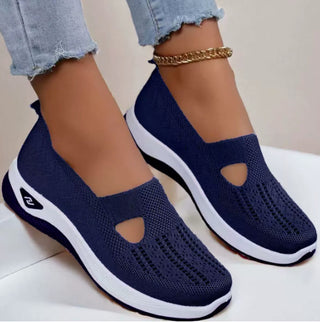 SNEEK Comfort Sneakers for Women — Memory Foam Insole, Breathable Knit
37,99 €
SNEEK Comfort Sneakers for Women — Memory Foam Insole, Breathable Knit
37,99 €
-
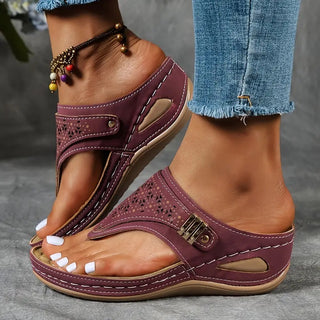 Élise Comfort Sandals — Contoured Footbed, Wide Straps
34,99 €
Élise Comfort Sandals — Contoured Footbed, Wide Straps
34,99 €
-
 Hivery Winter Shoes — Warm Lining, Cushioned Sole
34,90 €
Hivery Winter Shoes — Warm Lining, Cushioned Sole
34,90 €
-
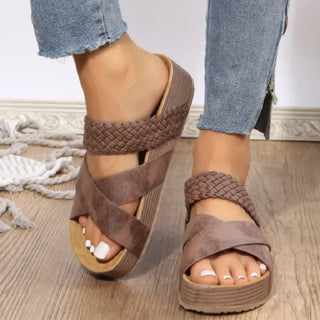 Women's Woven Casual Sandals - Summer Comfort
31,99 €
Women's Woven Casual Sandals - Summer Comfort
31,99 €